How much does it cost to install a home EV charging station in Rwanda in 2026 ?
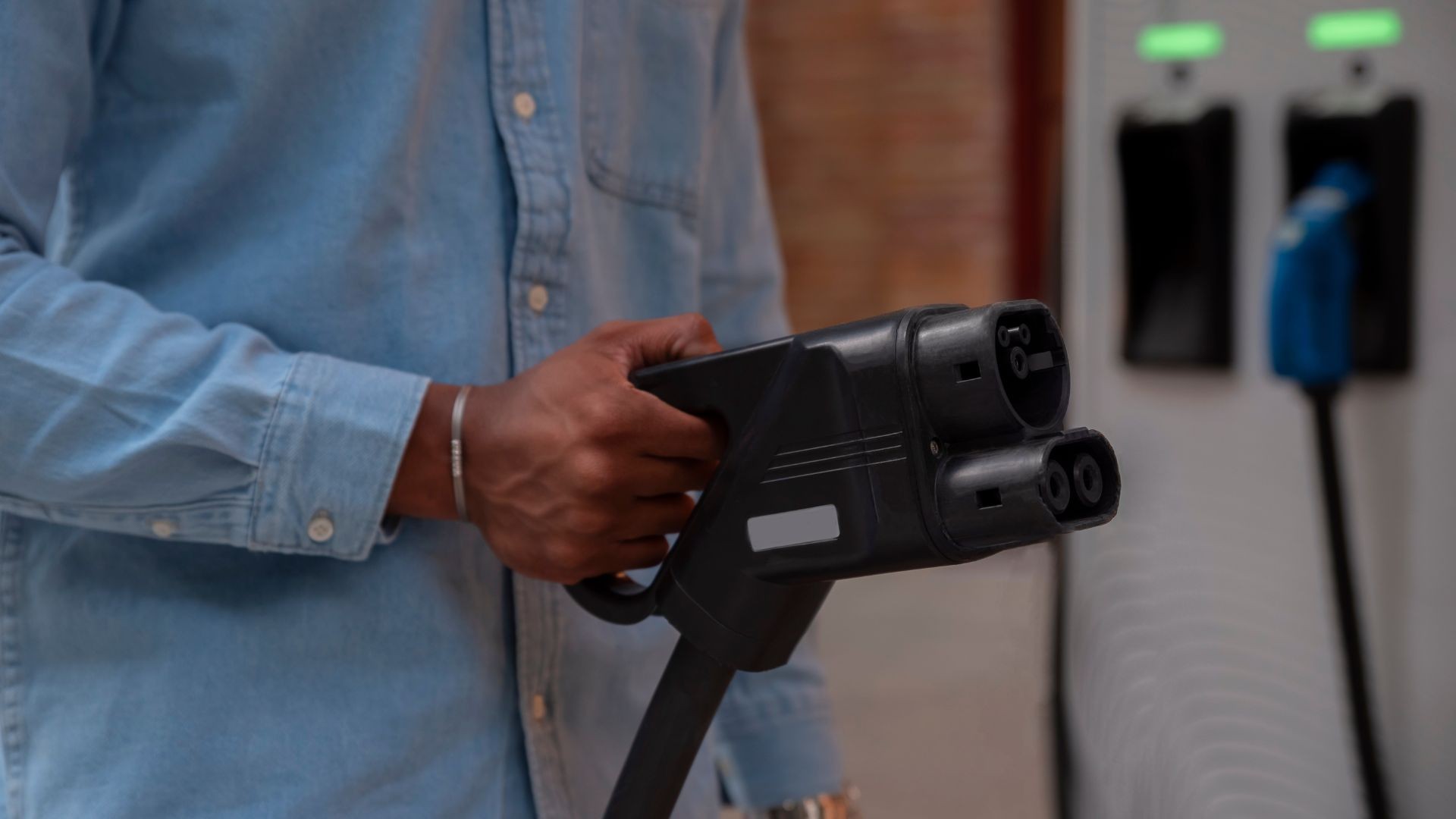
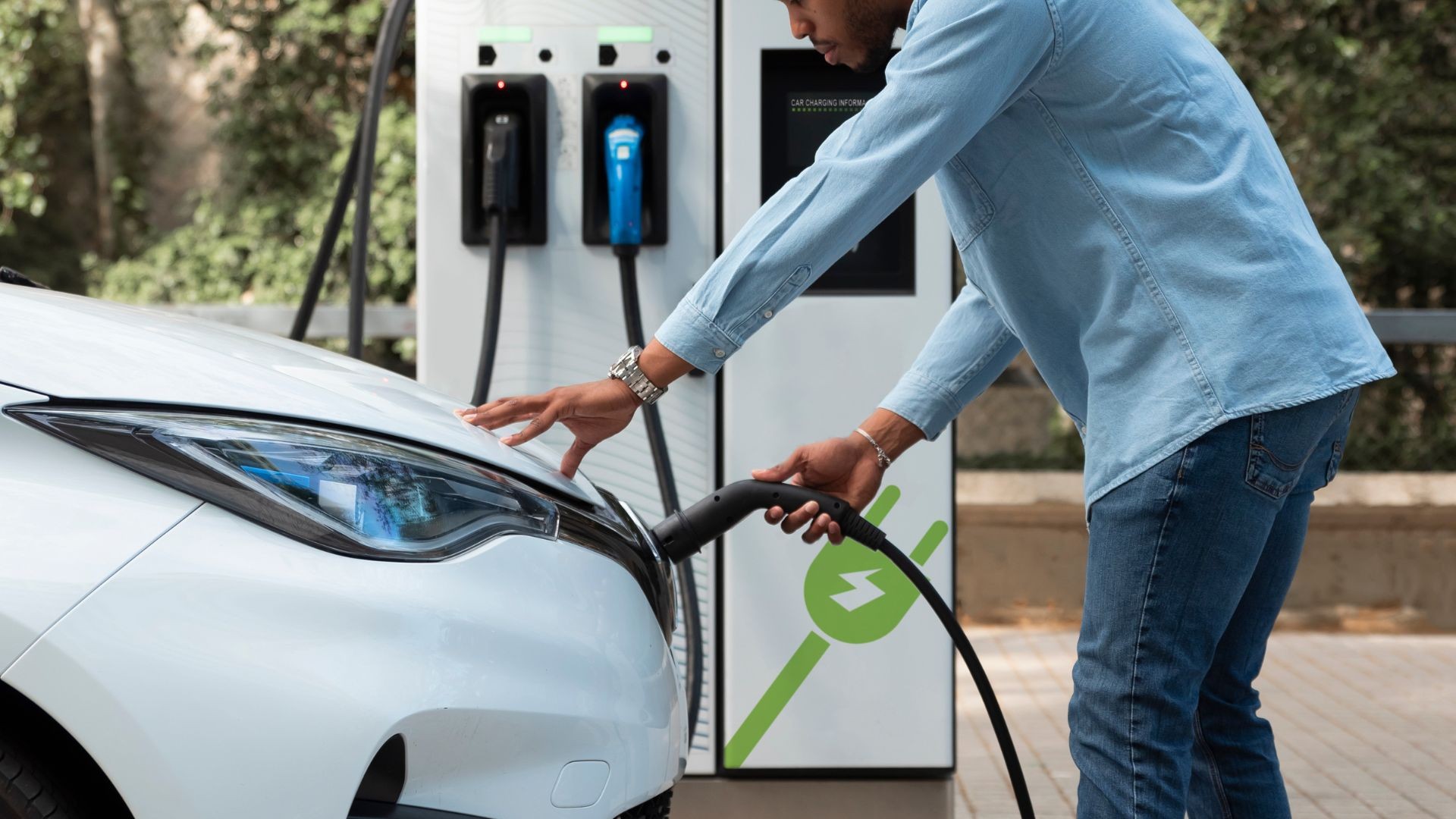
With the rise of electric vehicles in Rwanda, many drivers are asking the same question: how much should you budget to install a charging station at home? In 2026, the average budget ranges from 300,000 to 800,000 Rwandan francs (approximately $220 to $590). This typically includes the equipment and installation. In practice, however, the final cost will depend mainly on the type of charger chosen and the condition of your existing electrical setup.
What should you actually budget for ?
For a standard home without major structural work, installing a domestic charging station remains affordable.
- Charger + basic installation : 300,000 to 800,000 RWF
- Additional work (panel upgrade, new circuits, long cable runs) : costs can rise significantly
In some cases, particularly in older homes, the total amount can exceed 3,000,000 RWF if a full electrical panel overhaul is required.
Good news : the Rwandan government actively supports electric mobility. Imported charging equipment is VAT-exempt until June 30, 2028, and electricity used for charging is billed at the more favorable industrial rate.
Level 1 or level 2 charger : which should you choose?
The choice depends mainly on your daily driving habits.
Level 1: simple and budget-friendly
A level 1 charger plugs into a standard outlet. It provides approximately 4 to 5 km of range per hour of charging. It is suitable for drivers who travel fewer than 60 km per day.
Most electric vehicles sold in Rwanda, including BYD models through CFAO Mobility, come with a portable 3.3 kW adapter compatible with a standard outlet. It’s the simplest solution, requiring no major electrical work.
Level 2: faster and more convenient
The Level 2 charger is now the standard for home use in Rwanda. A 7 kW installation can fully charge most vehicles overnight and offers better energy efficiency (around 90%).
It does require:
- A dedicated circuit
- Sometimes an electrical panel upgrade
- Installation by a licensed professional
Another advantage: smart charging. Some chargers allow you to schedule charging during off-peak hours via a mobile app, an important feature in Kigali, where the electrical grid reached 136% of its maximum load capacity in 2024.
If you drive more than 65 km per day, a Level 2 charger is strongly recommended.
Cost breakdown: equipment and installation
Charger prices
Level 1 : typically included with vehicle purchase
Level 2 (7 kW) : between 650,000 and 3,250,000 RWF depending on brand and features
Some dealerships offer complete packages. CFAO Mobility, for example, includes a 7 kW wall charger in certain electric vehicle offers.
Installation costs
Professional installation averages between 300,000 and 800,000 RWF. The price varies depending on:
- The distance between the electrical panel and the parking area (10 meters is the standard)
- The condition of the electrical panel
- The amount of wiring work required
A note on regulations: use a licensed professional
All work must be carried out by an electrician certified by the RURA.
Class A license : standard residential installations
Class B license : higher-powered installations
Licensing fees (30,000 to 100,000 RWF) are generally included in the quote. Verifying this certification is essential to ensure the safety of your installation.
Concrete budget examples
Case 1: purchasing an EV Through a dealership
If you purchase your electric vehicle through CFAO Mobility, the 7 kW wall charger and portable adapter may be included. In that case, you would mainly need to budget for:
- Any necessary electrical upgrades
- Annual road tax of 50,000 RWF
Case 2: independent installation
- 7 kW charger: 700,000 to 2,100,000 RWF
- Installation: 350,000 to 1,000,000 RWF
- Possible electrical panel upgrade: 700,000 to 2,800,000 RWF
- Wiring and permits: 200,000 to 700,000 RWF
Costs can quickly exceed 2,500,000 RWF depending on the complexity of the job.
Is home charging really worth it?
Yes. Home charging is generally 30 to 50% cheaper than using a public charging station. By scheduling charging during off-peak hours, you can reduce your bill even further while helping to stabilize the national electrical grid.
In summary
Installing a home EV charging station in Rwanda in 2026 remains a reasonable investment, especially when compared to the savings on fuel.
Before getting started:
- Assess your driving habits
- Check your home’s electrical capacity
- Compare dealership offers
- Hire a RURA-certified electrician
With proper preparation, you’ll enjoy a reliable, safe system that’s well-suited to the growth of electric mobility in Rwanda.
FAQ
What is the average cost of installing a home EV charging station in Rwanda?
Is a charger included when purchasing an electric vehicle?
Do you need a permit to install a charging station?
What is the difference between a Level 1 and a Level 2 charger?
Is home charging more economical than using a public charging station?
Unless authorized by the editorial staff or a pre-established partnership, the reproduction of articles from koto.rw, even partially, is strictly prohibited. Any offender is liable to prosecution.

A team of young journalists passionate about the automotive world, dedicated to providing accurate and up-to-date information to help Rwandan consumers make decisions. Our mission is to simplify the search and comparison of new and used cars, highlighting the latest trends and innovations in the automotive sector.


See other articles